
Lubrication
For many operators, lubrication has traditionally been assessed through a familiar lens: equipment protection, uptime, service intervals, and cost. Those priorities still matter. But for organisations working near waterways, drainage systems, infrastructure, soil, forest environments, or protected land, another factor is becoming harder to ignore.
What happens if the lubricant escapes?
A hydraulic leak in a wastewater plant, a lubricant spill from an earthmover near a stormwater channel, or a minor release from forestry machinery can create more than a maintenance issue. It can lead to environmental exposure, clean-up costs, regulatory scrutiny, and reputational damage.
Food grade is not environmentally considerate
One common misconception is that food-grade lubricants automatically provide environmental protection. They do not.
PERFORMANCE WITHOUT COMPROMISE
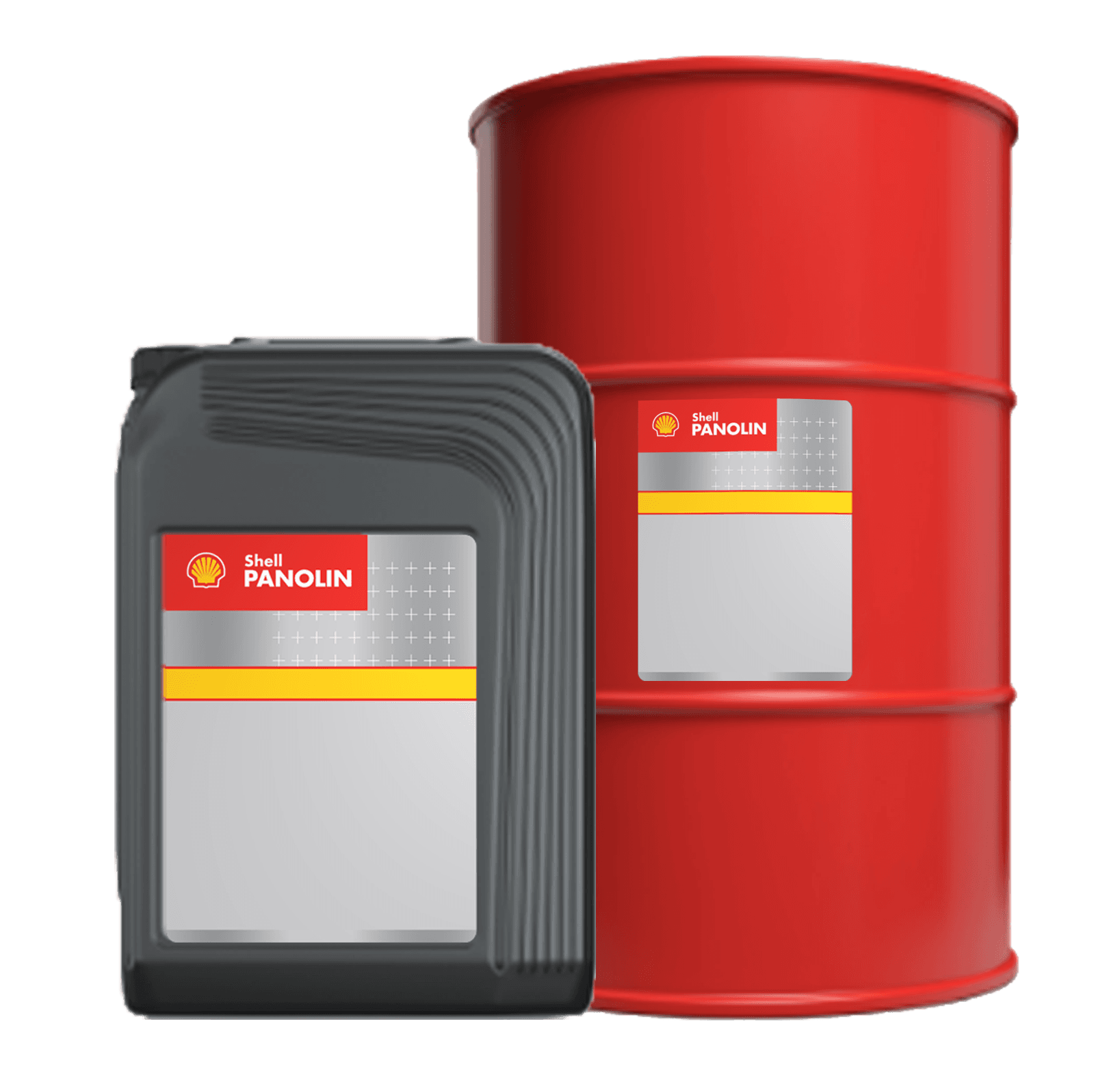
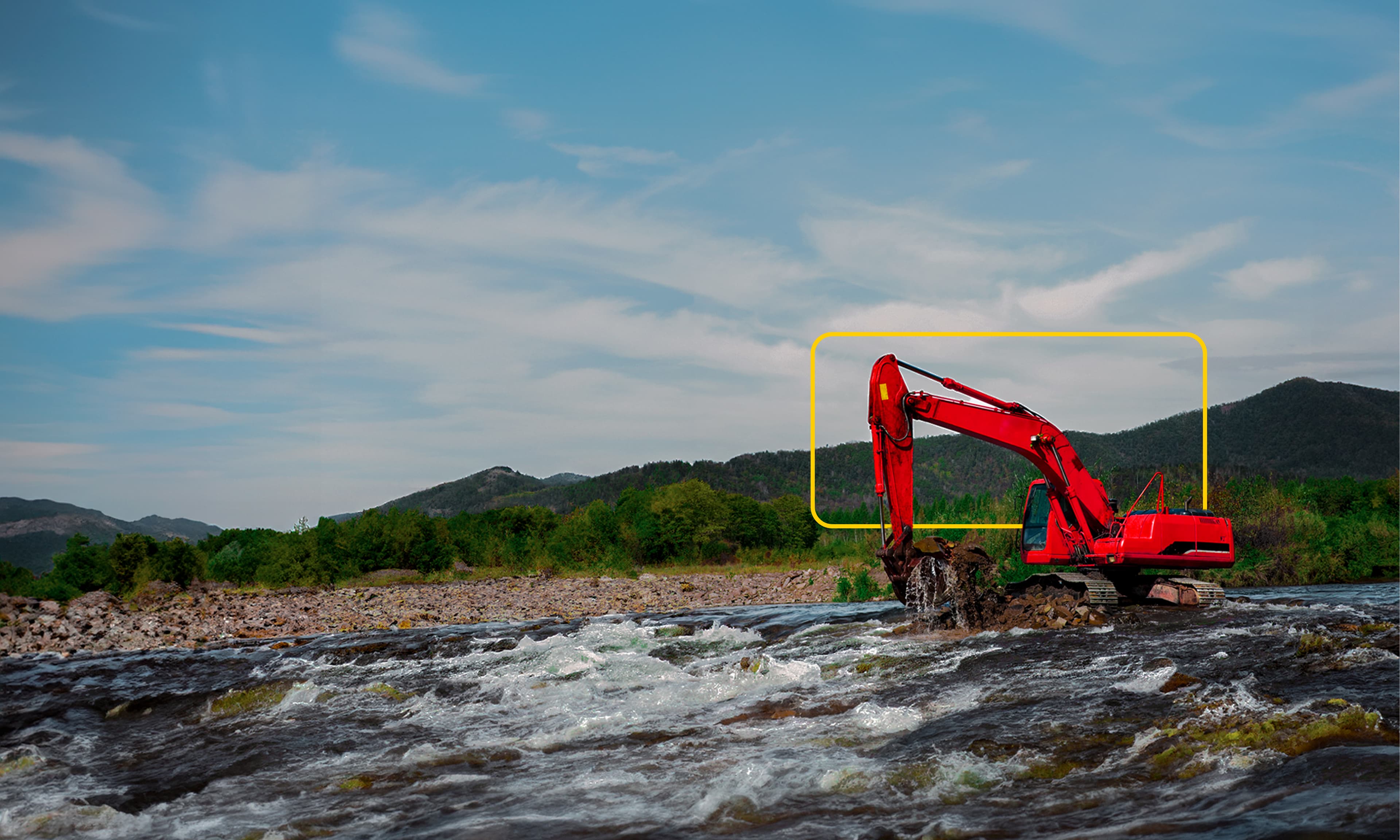
Shell PANOLIN is designed to reduce environmental impact risk while supporting demanding equipment performance.
A RANGE FOR DEMANDING APPLICATIONS
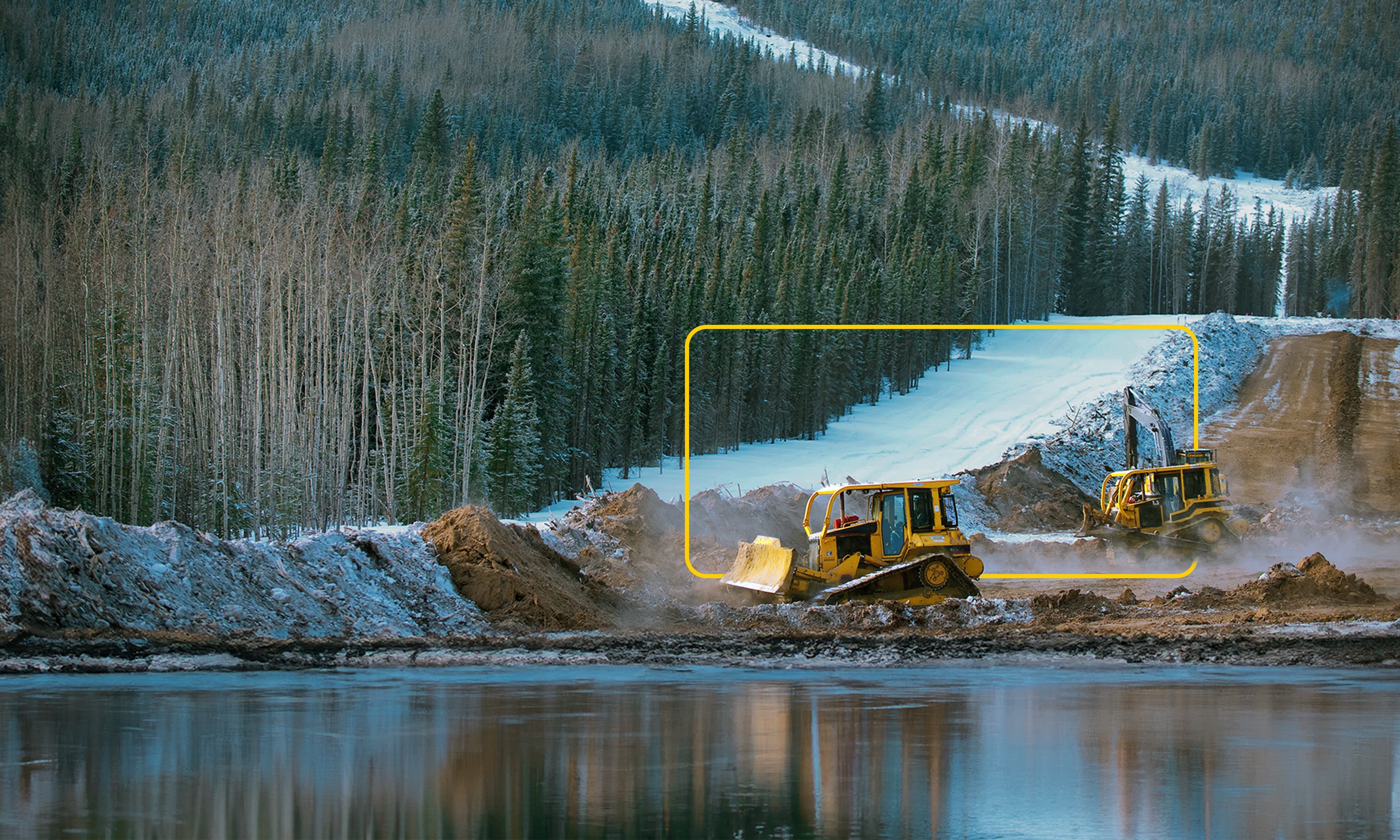
Shell PANOLIN covers key lubrication needs across councils, civil construction, forestry, and other environmentally sensitive operations.
Hydraulic oils
Gear oils
Greases
Wire rope lubricants
Engine oils
A Practical Approach to Lubricant Selection
“Any lubricant recommendation has to start with the application,” says Keown. “Motion looks at the equipment, the operating environment, OEM requirements, temperature, contamination risk, service interval, and the customer’s maintenance practices. The aim is to help customers make a practical change, not just a theoretical one. If Shell PANOLIN is the right fit, it gives them a way to address environmental exposure while still protecting the asset.”

Get the latest from Motion
Get exclusive offers and content, information about news and upcoming events and so much more.