
The Hidden Cost of Wear in Heavy Industrial Environments
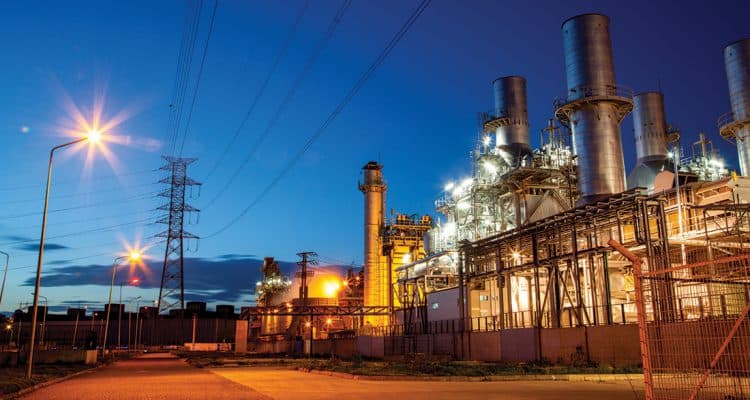
In heavy industrial environments, material loss is constant and often underestimated. High-velocity slurries, repeated impact, and continuous material flow steadily degrade critical assets, particularly in transfer points, pumping systems, and conveying infrastructure. When wear accelerates beyond expectations, reliability suffers and maintenance costs escalate quickly.
“Slurry erosion on pump housings, impact wear on chutes and hoppers, and sliding abrasion on conveyor components are the big ones,” says Adam Schlatter, National Product Manager – Adhesives, Sealants & Chemicals at Motion. “When these issues are left unchecked, they lead directly to unplanned shutdowns and blown maintenance budgets.”
Across sectors such as mining, construction, and manufacturing, the challenge is not only the rate of wear, but the unpredictability it introduces into maintenance planning. Accelerated wear can turn scheduled outages into extended downtime, disrupting production and increasing risk.
Why traditional protection methods fall short
Historically, asset owners have relied on weld overlays, rubber linings and ceramic tiles to protect high-wear areas. While each solution has proven value, their limitations become more pronounced in harsh or abrasive operating conditions.
“Weld overlays can crack under impact, rubber linings delaminate in high-heat applications, and ceramic tiles struggle with complex geometries,” Schlatter explains. “On top of that, traditional methods often mean longer downtime and the need for specialised trades on site.”
In environments where uptime is critical, extended repair windows and complex installation requirements can undermine the very protection these methods are meant to provide.
A modern approach to wear protection
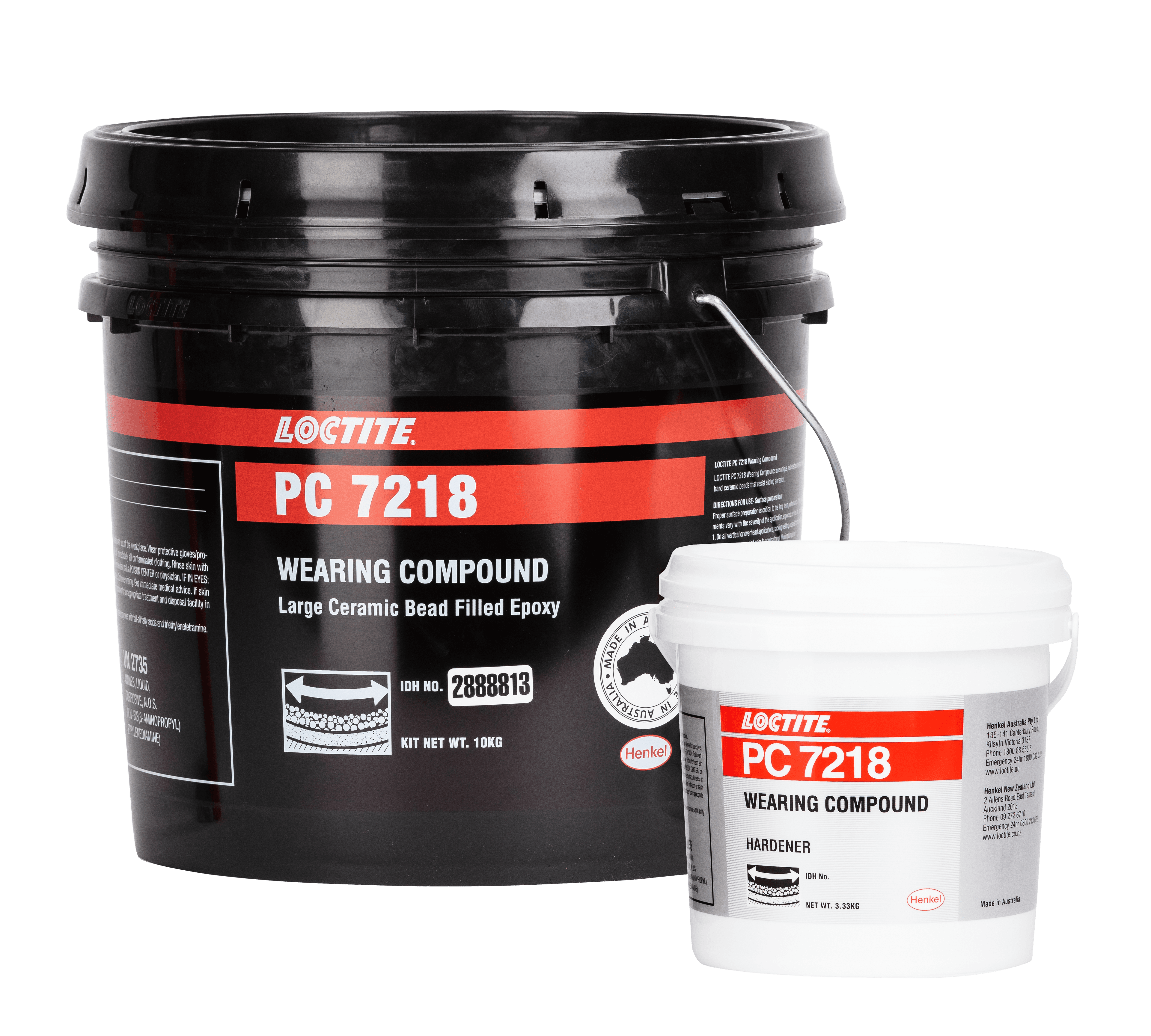
Advances in materials technology are offering a more flexible alternative. Loctite’s ceramic-filled epoxy wear protection coatings are engineered to deliver high abrasion resistance without the brittleness associated with many hard materials.
“Loctite’s coatings deliver exceptional hardness without being brittle,” says Schlatter. “They’re brush- or trowel-applied, which eliminates the need for hot work, and they provide protection against both abrasion and chemical attack in a single application.”
This ease of application allows coatings to be used on complex shapes and confined areas where traditional protection methods are impractical, while also improving safety during installation.
Faster return to service, longer asset life
Beyond application benefits, modern coatings deliver measurable gains in maintenance efficiency. Equipment that might previously have been offline for days can often be returned to service within hours.
“You’re looking at equipment back in service within hours, not days,” Adam says. “In many cases, coatings can extend component life two to four times over, which means fewer shutdowns and far more predictable maintenance scheduling.”
For operations under pressure to maximise throughput, this shift from reactive repair to planned intervention can significantly improve overall reliability.
Integrating wear protection into reliability programs
Selecting the right coating is only part of the solution. Effective wear management starts with understanding how components fail in service.
Motion’s technical specialists and Loctite’s technical team work with customers on site to assess wear, identify failure modes, and recommend fit-for-purpose Loctite solutions, Schlatter says. “It’s about integrating wear protection into the overall reliability program, not just selling a product.”
This collaborative approach allows wear protection to be applied strategically, targeting the highest-risk assets and extending equipment life across the site.
Dispelling the ‘temporary fix’ myth
One of the most common misconceptions Schlatter encounters is that wear protection coatings are only a stop-gap measure.
“People often think coatings are a temporary fix. Applied correctly, they’re engineered solutions that can outperform and outlast the original substrate. They’re proactive maintenance, not a band-aid.”

Get the latest from Motion
Get exclusive offers and content, information about news and upcoming events and so much more.