
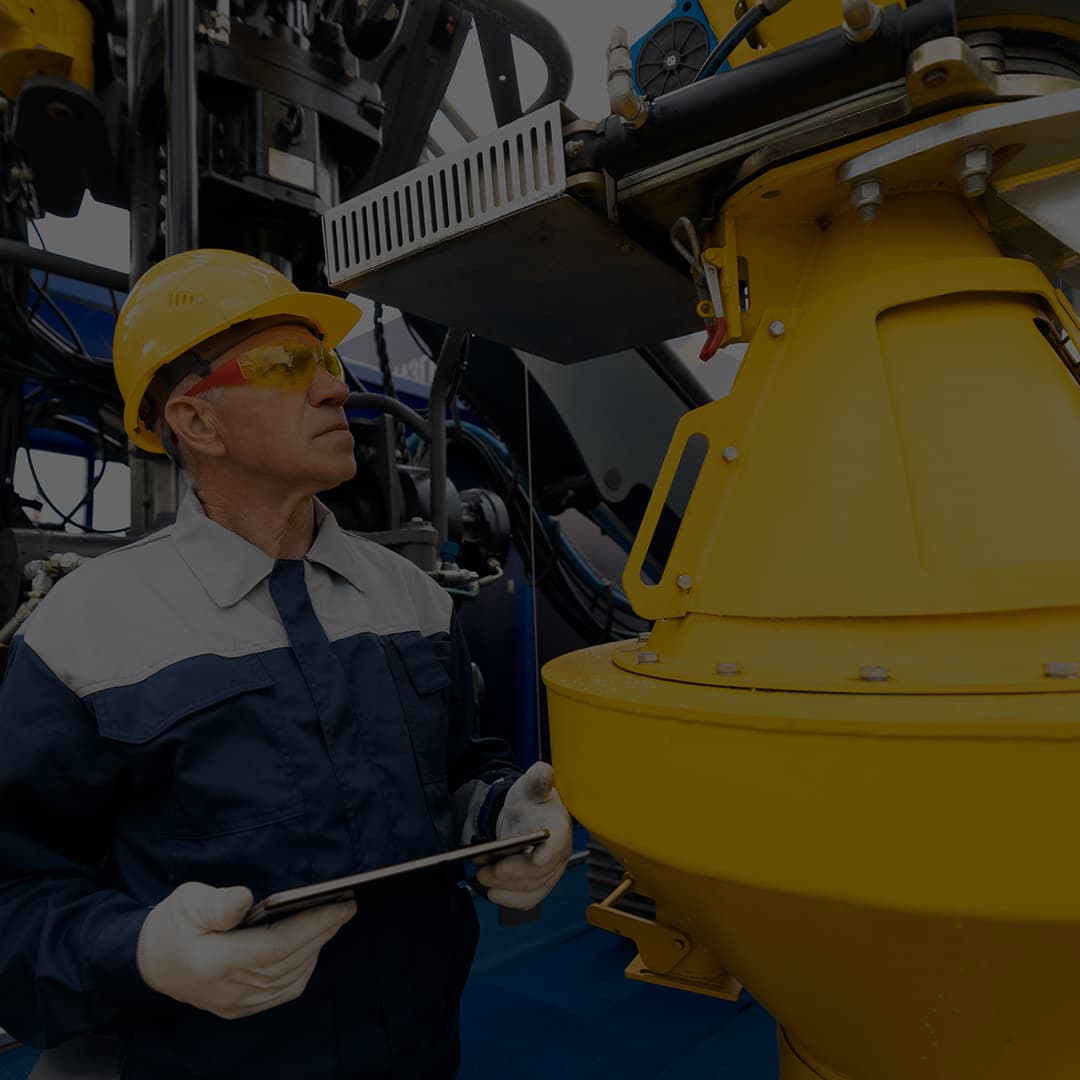
Modern Hydraulics Demand Broader Skills and Deeper Expertise
Hydraulics is no longer just about hoses, pumps and cylinders. Across Australia and New Zealand, systems are becoming more automated, integrated, and reliant on electronic controls. At the same time, the traditional pipeline of mechanically trained tradespeople has narrowed dramatically.
For Fellipe Ramos, Category Manager Fluid Control Systems Asia Pacific at Motion, that shift makes structured training essential.
“Hydraulic systems are far more advanced than they used to be,” Ramos says. “They now integrate electronics, sensors, and control systems, so they’re more complex and more critical to operations. Ongoing, structured training ensures our teams stay ahead of that complexity and can confidently support modern systems – not just traditional hydraulic components.”
Customers are also expecting more from suppliers.
“Customers expect more than just a good relationship,” Ramos explains. “They want trusted advisers – people who understand products and how everything works together. They expect advanced troubleshooting, application support and guidance on the most efficient and cost-effective solution.”
The industry is also facing a shrinking pool of experienced tradespeople while technical expectations continue to rise. According to Marcus Fortuna, National Manager of Hydraulics Network, the skills required today are far broader than in the past.
“The resource pool is getting smaller, yet the technical requirements are getting higher,” he says. “You used to be able to get by as a fitter and machinist with a basic understanding of flow and pressure. Now you need to understand electronics, Programmable Logic Controllers, proportional valves, Pulse Width Modulation controls and Computer-Aided Design capability.”
From product supply to engineered solutions
Motion’s response has been structured training programs across multiple disciplines including mechanical, hydraulics, and pneumatics, supported by deliberate intergenerational knowledge transfer. For Ramos, the goal is to equip teams to understand complete hydraulic systems rather than individual parts. “Training moves us from simply supplying parts to understanding full systems,” he says. “It enables our teams to assess applications, identify risks, and recommend the right solution the first time. That’s the difference between being a supplier and being a solutions partner.” “It reduces downtime, avoids costly specification errors and speeds up problem resolution,” Ramos says. “By building consistent hydraulics expertise across Australia and New Zealand, we ensure customers receive the same high level of technical support and advisory capability across the region.” Fortuna says this approach changes the role of the supplier. “The supply of product is always related to rectification of a problem,” he explains. “Sometimes it’s straightforward. But most of the time it’s, ‘I want to achieve this – how can I do it?’ That’s where experience and training make the difference.” “If we don’t provide that support, we just become another supplier,” he adds. “Customers would otherwise have to go to an engineering company and pay for that level of advice. The training and upskilling we do ensures they can get that expertise directly from us.”
Adding value on both sides of the Tasman
The same capability is now supporting Motion’s expanding hydraulics footprint in New Zealand. By building consistent expertise across Australia and New Zealand, Motion ensures customers receive the same level of technical support and advisory capability throughout the region.
Greater demand allows direct shipments from international manufacturers, reducing freight impact, and improving landed cost efficiency. Combined with local stock availability, this helps deliver competitive pricing and faster response for OEM and industrial customers.
Ultimately, Ramos believes training underpins Motion’s ability to deliver both expertise and efficiency.
“When our teams understand the full system, not just the product, we can provide the kind of support customers actually need,” he says. “That’s how you move from simply supplying parts to delivering real operational value.”

Get the latest from Motion
Get exclusive offers and content, information about news and upcoming events and so much more.