
Why Oil Cleanliness Determines Hydraulic Reliability
Hard rock environments punish hydraulic systems in predictable ways: dust ingress, vibration, heat, and high duty cycles that accelerate wear. When oil cleanliness slips, pumps, valves, and motors follow – and ‘small’ issues become repeat callouts.
“It really comes back to one thing: oil cleanliness,” says Adam Dorahy, General Manager Repair & Services at Motion. “In dusty conditions, any point where dust can get in can shorten component life fast. Keeping breathers and ingress points under control is critical.”
Hard rock vs underground coal
Mechanically, the mobile equipment is comparable across underground applications. Motion supports J.H. Fletcher equipment – including jumbo drills used for drilling and bolting to support underground headings.
“From our side, J.H. Fletcher is core to what we do,” Dorahy says. “If it’s J.H. Fletcher gear in a hard rock operation, we can support it. If it’s a hydraulic system, we can maintain it, repair it, and rebuild it.”
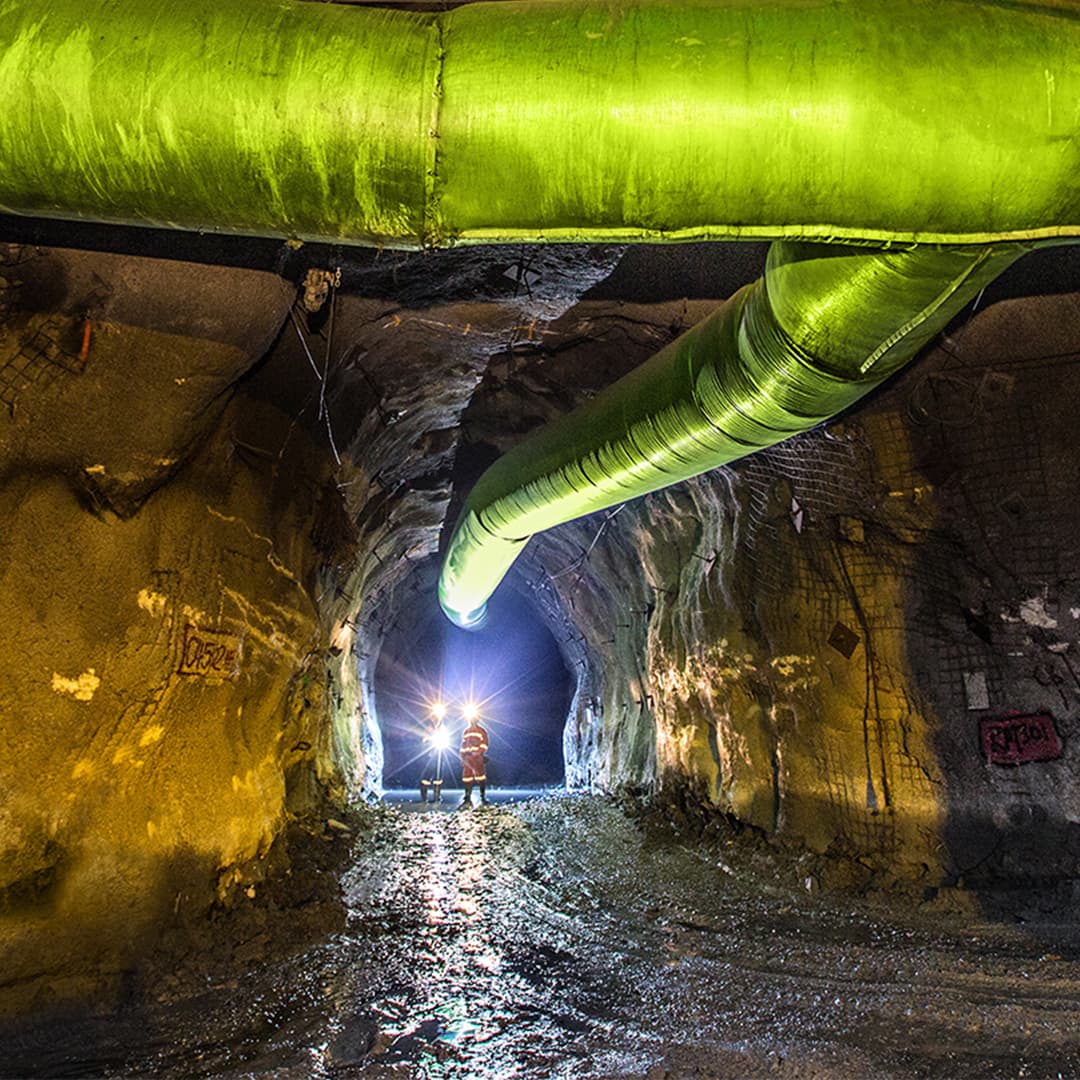
The main distinction is the operating environment. Underground coal is treated as a gaseous, potentially explosive atmosphere, so electrics must be intrinsically safe or housed in engineered flameproof cabinets. Hard rock mines are generally non-gaseous, which allows more conventional electrical systems.
“The hydraulics themselves are much the same,” Dorahy says. “The big difference is the electrical safety requirements. In coal, electrics must be intrinsically safe or flameproof. In hard rock, you can often use more standard industrial or mobile electrical systems.”
That difference also affects access. “Hard rock is typically more accessible,” he adds. “In many cases you can drive a vehicle underground. In coal, access can be more restrictive and you’re often walking longer distances, with additional medicals, and inductions.”
Planned maintenance beats reactive fixes
Motion’s preference is to shift the conversation from emergency repairs to preventative maintenance – built around planned ‘down days’. Mines typically schedule servicing windows (for example, quarterly). Motion can attend, inspect to a checklist, and provide a service report with recommendations for the next outage.
“Planned maintenance is always better than chasing failures,” Dorahy says. “We can work to the site’s shutdown schedule, service to a checklist, then provide a report: what we checked, what we did, and what should be addressed next – including anything urgent that sits outside the normal scope.”
Crushers, processing, and reliability upgrades
In many hard rock operations, hydraulic services extend beyond mobile underground equipment to the crushing and processing plant. Cone crushers, ore transfer systems, and associated hydraulic circuits often determine throughput and shutdown frequency.
“A lot of hard rock sites have a crushing and processing plant on site,” Dorahy says. “That fixed plant side is an area where we’ve got strong experience – maintenance, reliability reviews, and audits to improve system efficiency and uptime.”
Here, filtration and contamination control are central. “No matter where you look, dirty oil is the enemy,” he says. “Good filtration, good practices, and the right maintenance plan make a big difference.”
Extra capability when sites need it
Large operations can be complex, with tight shutdown windows, and mixed skill sets across teams. In those environments, an external service partner can add consistency, specialist tooling, and repeatable maintenance practices across assets and sites. Motion has capacity to support nationally, including fly-in service for planned work and urgent breakdowns where needed.
“We have the capacity to service Australia-wide,” Dorahy says. “The east coast and WA are our strongest areas, but we regularly travel to site to complete planned maintenance or support critical work when required.”
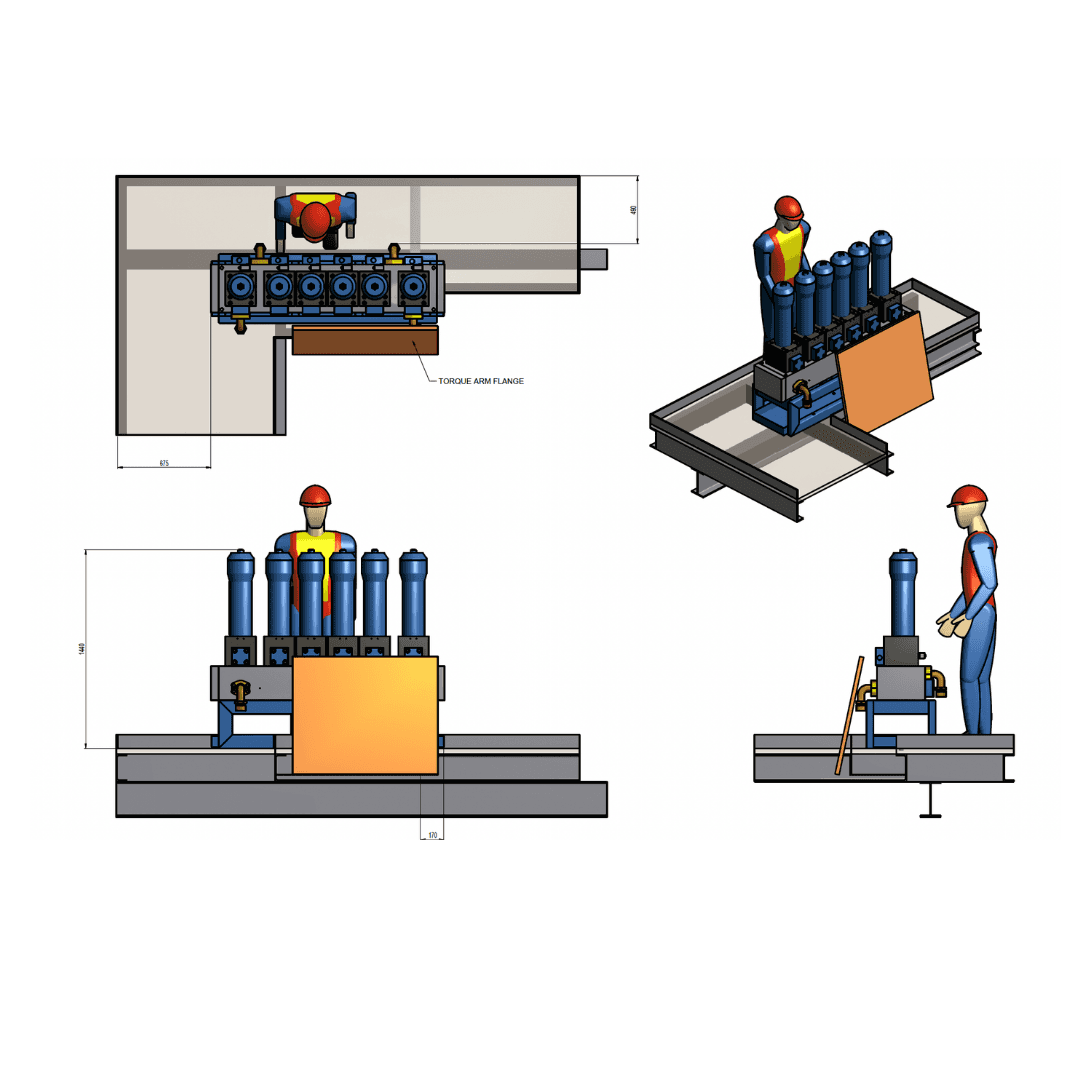
Motion Engineering & Services can provide engineering reviews, redesigns, upgrades, installation, and service across hydraulic equipment as part of both planned and breakdown maintenance.
Shown here is a “last chance” filtration station designed and built by Motion’s Engineering & Services team for the Ore Preparation Facility at an iron ore mine in Western Australia. Installed on a high-power scrubber drive, it is engineered to stop contamination from the hydraulic power unit being transferred into the primary drive motors – which are assets of significant financial value. In application, this critical aversion of secondary damage can mean avoiding massive downtime cost.

Get the latest from Motion
Get exclusive offers and content, information about news and upcoming events and so much more.