
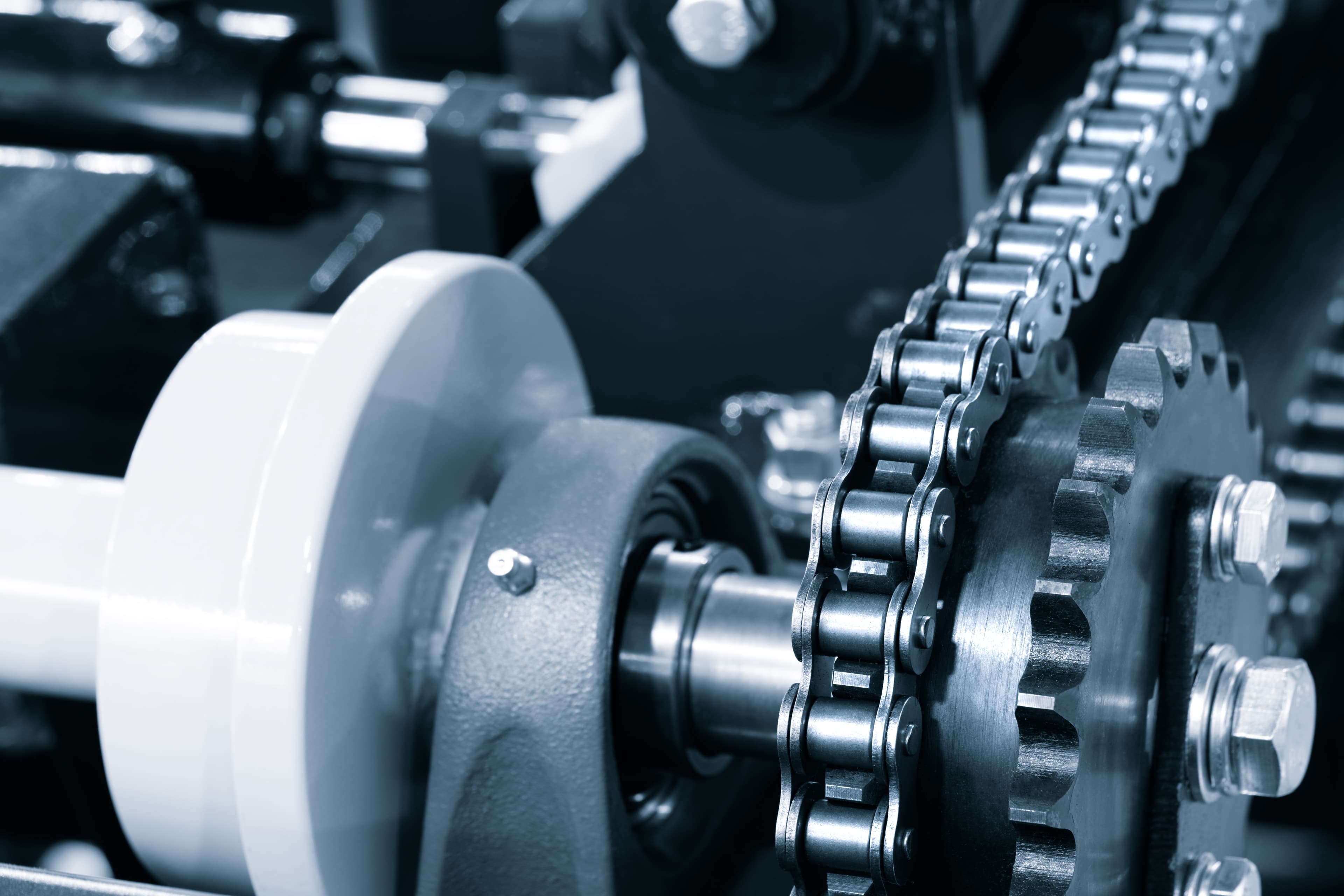
Built for Harsh Washdown Conditions
Dairy processing plants are unforgiving maintenance environments. Equipment is exposed to frequent washdowns, aggressive cleaning chemicals, moisture, temperature changes, and continuous production schedules. For maintenance teams, the challenge is constant: keep equipment protected without introducing contamination risk.
According to Steve Keown, Product Manager Lubricants and Lubrication Equipment at Motion, the most common challenges centre on washdown conditions and chemical exposure.
“Frequent high-pressure cleaning and aggressive sanitisers can quickly break down lubricants, leading to premature bearing and chain failures if food-grade products are not properly selected and equipment is relubricated or not properly maintained,” he says.
“Corrosion is another major issue, particularly on metal components exposed to moisture, acids, and chlorides, which can shorten equipment life if not properly protected.”
Where hygiene meets reliability
For dairy manufacturers, food safety requirements change how maintenance products need to be selected, stored, and applied. Lubricants, greases, penetrants, anti-seize compounds, and corrosion inhibitors must perform under mechanical stress while supporting hygiene and audit expectations.
“In these environments, lubricants, greases, penetrants, anti-seize compounds, and corrosion inhibitors must not only perform under load and temperature stress, but also resist water washout, chemical cleaners, and high-pressure sanitation,” says Keown.
“Products must be food-grade where the possibility of contact exists, offer strong adhesion, and provide lasting protection despite repeated cleaning cycles.”
CRC’s Food Grade range is designed for food processing and handling environments, with NSF-registered products for applications where incidental food contact may occur. The range is supported by CRC’s Greenlight Food Safety Program, which is designed to help food and beverage sites simplify audit documentation, product identification, and compliance management.
CRC SUPPORTS FOOD SAFETY THROUGH:
NSF- and HACCP-approved maintenance products
Access to SDS, TDS, NSF, HACCP, and allergen documentation
Visual food safety identification through signage and posters
Site survey and assessment support
Inventory assessment and management
Ongoing updates to help maintain regulatory compliance
Protecting critical plant areas
Dairy plants include several high-risk maintenance zones. Conveyors, bearings, and chains face repeated washdowns. Cold rooms demand products that remain effective at low temperatures. Pasteurisation lines and heated areas require lubricants that withstand elevated temperatures. Fittings and fasteners also need protection against corrosion, seizure, and rust.
“Choosing the correct maintenance products in these critical areas can significantly improve equipment life, reliability, and overall plant uptime,” says Keown.
CRC Food Grade Chain Lube helps lubricate and protect roller drive and conveyor chains, reducing friction and wear. Food Grade Anti-Seize Compound helps protect fittings, bushings, flanges, nuts, screws, and threaded surfaces from seizure, galling, rust, and corrosion. Food Grade Synthetic Grease and Multi-Purpose Grease support lubrication in food processing, dairy, and packaging equipment, while CRC’s Food Grade Bio Degreaser provides a non-toxic, pH-neutral cleaning option for food processing and handling equipment.
CRC FOOD GRADE RANGE INCLUDES:
Chain lubricants for conveyors and roller chains
Synthetic and multi-purpose greases for dairy and processing equipment
Anti-seize products for fittings, fasteners, and threaded surfaces
Silicone sprays and machine oils for food processing equipment
Penetrating oils for mechanical equipment and fixtures
Contact cleaners and bio degreasers for cleaning and maintenance tasks
A coordinated maintenance approach
NSF registration is important, but it is not a complete maintenance strategy by itself. Manufacturers still need the right product category, disciplined application, and clear traceability.
“NSF registration supports compliance – but disciplined maintenance practices are what truly protect product integrity and brand reputation,” says Keown.
That is the value of Motion and CRC working together. Customers gain access to Motion’s application and reliability knowledge, supported by CRC’s food-grade maintenance chemistry.
“Together, this partnership helps ensure the right product is selected for the right application, reducing guesswork, improving compliance, and minimising downtime,” says Keown.


Get the latest from Motion
Get exclusive offers and content, information about news and upcoming events and so much more.